
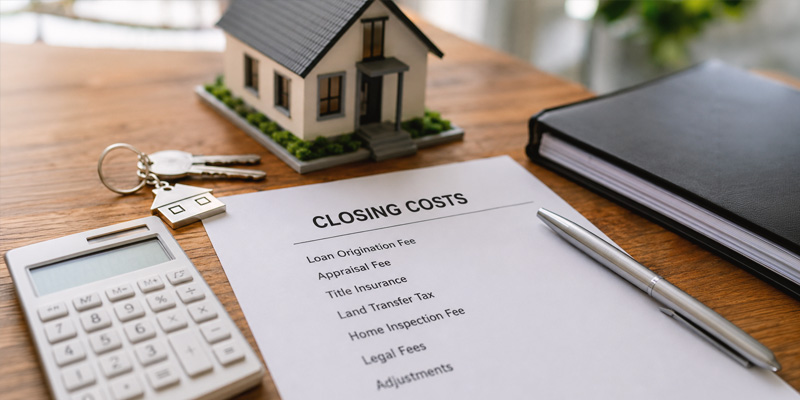
Many first-time homebuyers spend years focused on saving their down payment, only to realize near closing day that there are several additional costs involved in buying a home. It’s one of the most common surprises during the homebuying process – and one that can create unnecessary stress if you’re not prepared ahead of time.
Your down payment is only one piece of the puzzle. Closing costs are the expenses that come due leading up to when the property officially changes hands – and they can add up quickly depending on the purchase price, location and type of property you’re buying.
What are closing costs?
Some of the most common closing costs include legal fees, title insurance, land transfer tax, appraisal fees, home inspection costs and adjustments. Adjustments are often overlooked, but they can include reimbursements to the seller for prepaid property taxes, utility bills, condo fees or fuel costs. These amounts vary from transaction to transaction, which is why it’s important to budget conservatively.
For many homebuyers, especially first-timers, these expenses can prove frustrating because they often aren’t discussed as much as the down payment itself. You may have carefully saved the minimum amount required to purchase a home but, if you don’t leave room for closing costs, you could find yourself scrambling at the last minute.
How much are closing costs?
Closing costs vary, but a good general rule is to have at least a 1.5% buffer saved beyond your down payment to help cover closing costs smoothly. In some cases, buyers prefer to have even more available. Extra savings can provide flexibility for unexpected expenses, moving costs, immediate repairs, furniture purchases or simple peace of mind once you move in.
The goal isn’t just getting the keys – it’s feeling financially comfortable after you move in as well.
This is why having a detailed conversation with your mortgage agent early in the homebuying process matters. Your mortgage agent can help you understand not only what you qualify for, but also how your total upfront costs may realistically look. Proper planning allows you to make confident decisions without last-minute surprises.
Buying a home is exciting, but preparation makes the experience far less stressful. Knowing the full picture upfront helps ensure your closing day is exciting instead of overwhelming.
Have questions about closing costs or buying a home? Answers to all your questions are a call or email away!